Your Guide to Earning a Bachelors Degree Overseas
Managing the process of obtaining a bachelor's degree abroad requires thoughtful attention to numerous aspects. Prospective students should assess institutions and nations based on learning quality, scholarship availability, and cultural alignment. Being aware of visa prerequisites is essential for a seamless transition. Still, the adventure encompasses much more than planning. Adapting to new environments and maintaining connections with home play crucial roles in shaping the experience. What challenges and opportunities await students on this path?
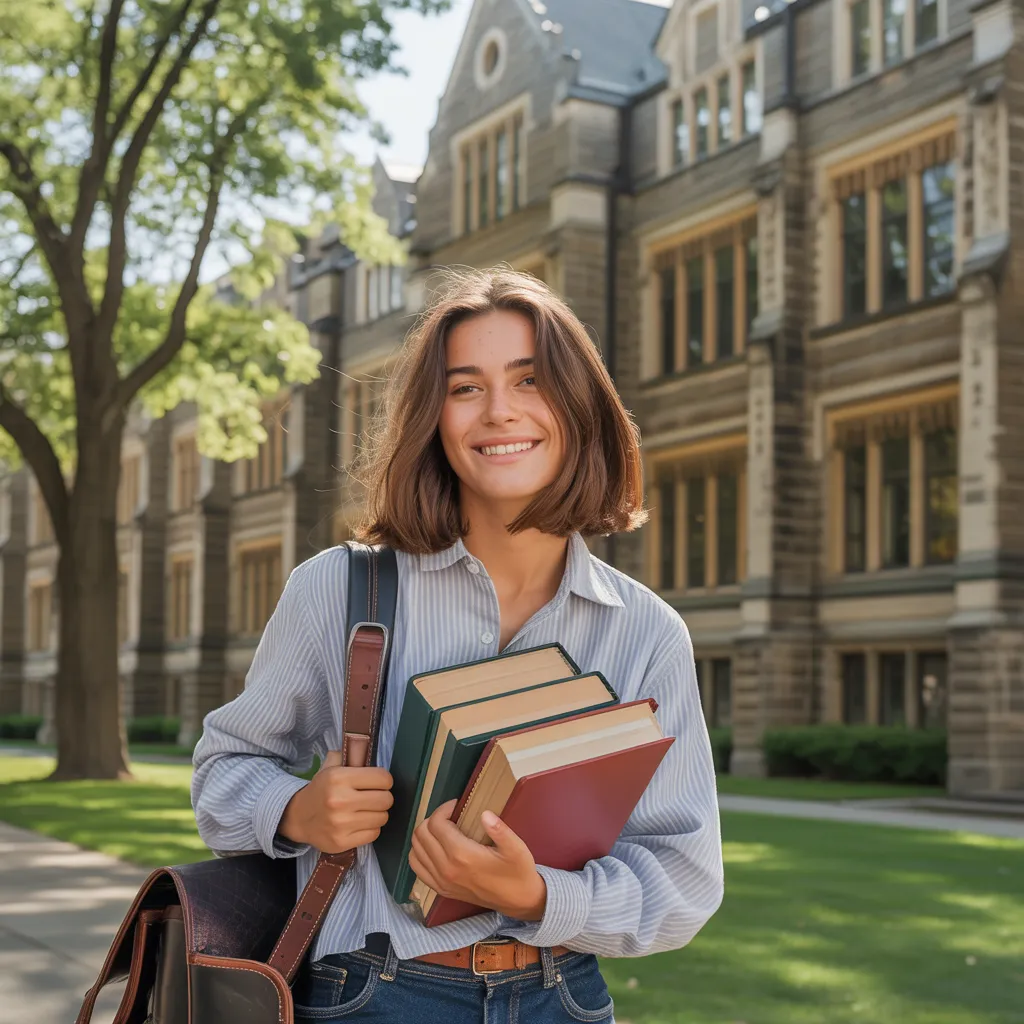
What Criteria Should You Consider When Deciding on a Country?
When deciding on a destination for a undergraduate degree abroad, what key factors should one consider? First, the educational quality is paramount; aspiring students are encouraged to explore institutional rankings, instructor expertise, and the coursework's alignment to their area of study. Additionally, language is a significant factor; students need to assess whether they are confident enough to study in the regional language or if courses offered in English are accessible.
Cultural compatibility is another important consideration; comprehending the local society, traditions, and way of life can significantly shape the overall experience. Moreover, safety and political stability represent vital aspects to evaluate; students ought to research the nation's safety record and prevailing political environment. Lastly, closeness to home and available travel options can influence personal preferences and general satisfaction. Through thoughtful evaluation of these considerations, students can reach educated decisions that resonate with their academic and personal ambitions.
How to Acquire Funding and Scholarships for an International Study Experience
Securing funding and scholarships is essential for students considering a bachelor's degree abroad. A wide range of scholarships can be found, addressing diverse requirements and eligibility criteria, and knowing these opportunities can significantly improve financial access. Furthermore, utilizing strong application approaches can increase the likelihood of success in the competitive scholarship landscape.
Available Scholarship Types
When seeking a bachelor's degree abroad is often a life-changing journey, knowing the scholarship options at your disposal is vital for controlling financial obligations. Numerous scholarships are designed to meet varying needs and conditions. Merit-driven scholarships honor superior academic achievement, while need-driven scholarships aid students experiencing financial hardship. Some institutions offer specific scholarships for international students to encourage diversity. Furthermore, government-funded scholarships, such as Fulbright or Chevening, provide considerable support for study abroad. Private organizations and foundations also contribute funding through scholarships aimed at specific fields or regions. Lastly, some countries offer scholarships to attract foreign talent, making higher education more accessible. Investigating these opportunities can significantly reduce the financial strain of international education.
Helpful Tips For Application Success
Navigating the scholarship application process can greatly enhance a student's prospects for receiving funding for overseas education. To enhance their chances, students should start by exploring various scholarships that align with their academic goals and personal backgrounds. Crafting a compelling personal statement is essential; it should clearly articulate motivations and aspirations. In addition, securing powerful recommendation letters from instructors or academic supervisors can deliver significant reinforcement. Students must also pay close attention to application deadlines and requirements, making certain all documents are delivered on time. Moreover, showcasing relevant experiences, such as volunteering or internships, can set an applicant apart. Finally, maintaining an organized approach allows for thorough management of applications and correspondence, thus enhancing the prospects of obtaining financial support.
Navigating Visa Requirements for Your Selected Country
Grasping visa requirements is essential for students preparing to study in a foreign country. Different countries have various types of student visas, each with specific criteria and application processes. Working through these requirements can significantly affect a student's capacity to engage in international academic pursuits.
Kinds Of Student Visas
Navigating the landscape of student visas is crucial for anyone considering a undergraduate degree abroad. Countries around the world have different categories of student visas, each with distinct requirements and privileges. For illustration, the F-1 visa in the United States allows students to pursue full-time studies, while the Tier 4 visa in the United Kingdom functions in much the same way. Some countries, like Canada and Australia, provide specific visas that permit students to work part-time during their studies. Moreover, various countries could have unique stipulations based on the length of the program or the accreditation status of the institution. Recognizing these variations is fundamental for aspiring international learners to important resource secure proper compliance and identify the most suitable visa for their educational journey.
Application Process Overview
Working through the application process for a student visa requires careful attention to the specific requirements of the chosen country. Every country has distinct regulations, documentation, and timelines that must be adhered to. Typically, applicants need to gather essential documents such as proof of enrollment, financial statements, and health insurance. Moreover, some destinations may mandate a language proficiency test or a medical examination.
Prospective students should begin the application process as soon as possible, as visa processing times can vary greatly. Getting acquainted with the embassy or consulate's requirements is also essential, as they offer thorough instructions along with the latest updates on requirements. Ultimately, diligent preparation paves the way for a smoother journey toward pursuing studies abroad.
How to Pick a University That Supports Your Goals?
How does one go about choosing a university that suits their educational and career objectives? First, individuals should identify their specific goals, including desired majors and career paths. Investigating institutions that offer robust programs in the relevant disciplines is essential. They can utilize online resources, academic rankings, and alumni networks to assess the quality of education offered.
Moreover, factors such as campus culture, location, and extracurricular opportunities ought to be taken into account. A supportive atmosphere can significantly improve the entire academic journey. Additionally, future students should assess the college's partnerships with field-specific industries, as internship programs and networking connections can be instrumental in shaping professional growth.
Lastly, considering financial considerations, including tuition fees and living expenses, is crucial. By weighing these factors, prospective students can form educated judgments that align with their aspirations, guaranteeing a rewarding and productive educational experience overseas.
Adjusting to Cultural Distinctions in Your New Surroundings
While adapting to a new culture can be demanding, acknowledging the variations can lead to enriching encounters. Students living overseas often encounter distinctive traditions, linguistic differences, and community behaviors that may feel challenging at the outset. To handle these cultural changes, it is essential to engage with new encounters with an unbiased perspective and a willingness to learn. Engaging with local communities, taking part in cultural activities, and seeking friendships with locals can develop stronger insight and gratitude of the surrounding culture.
Moreover, keeping a harmony between preserving one's own cultural identity and embracing the new environment is vital. A spirit of curiosity and honest communication can help close divides and reduce feelings of loneliness. As individuals encounter the unknown, they often cultivate strength and flexibility, skills that are invaluable both personally and professionally. In the end, these transformative experiences can enrich one's education and broaden perspectives, making the experience of studying in a foreign country profoundly transformative.
What to Expect While Studying Abroad?
Pursuing studies overseas offers a remarkable blend of excitement and uncertainty, as scholars frequently discover themselves in unfamiliar scholastic and interpersonal surroundings. They may encounter different pedagogical methods, which may include everything from cooperative team projects to self-directed studies. Learners ought to anticipate differing requirements related to participation and deadlines.
On a social level, the transition can be similarly impactful. Fresh friendships can emerge, but navigating different cultural practices and interaction patterns can present challenges. At first, students may experience feelings of homesickness or isolation, but these feelings often diminish as they settle into their adopted communities.
Moreover, managing day-to-day living, like learning about local customs and public transportation, can be daunting yet fulfilling. Students are encouraged to build resilience and problem-solving skills as they acclimate to their new environment. Ultimately, this experience cultivates individual growth and an expanded global outlook, ensuring that the hardships prove valuable.
Ways to Keep in Touch With Home While Studying
Staying in touch with home while studying overseas is vital for emotional stability and encouragement. Learners can leverage modern technology to close the gap, using video conferencing, chat applications, and social media channels to share experiences and keep loved ones updated. Scheduling regular catch-up sessions can create a comforting routine, making it easier to navigate the challenges of studying in a new environment.
Furthermore, students would benefit from joining regional expatriate communities or networks, which can provide a support network and mutual experiences. Sending postcards or care packages can also strengthen ties and offer a physical link to home. Participating in cultural activities that connect them to their heritage, such as cooking traditional meals or celebrating holidays, nurtures a feeling of belonging. By actively maintaining these connections, students can enhance their overall study abroad experience, helping them feel supported and less disconnected during their scholarly pursuits.
Common Questions and Answers
Which Countries Are Ideal for International Students?
Many nations are celebrated for accommodating international students, including Australia, Germany, Canada, the United Kingdom, and the United States. These nations offer diverse programs, cultural experiences, and opportunities for academic and personal growth.
How Do I Find Student Accommodation Abroad?
To secure student accommodation abroad, individuals should explore campus housing opportunities, digital rental websites, and community rental listings. Building connections with classmates and asking for suggestions can also provide useful information into fitting accommodation choices.
Can I Work While Studying Overseas?
Indeed, a large number of international students are permitted to work while pursuing their education abroad, depending on the applicable visa requirements. Working part-time can offer useful real-world experience and support day-to-day expenses, but maintaining a healthy balance between work and study commitments remains vital for academic success.
What Type of Health Insurance Do I Need When Studying Abroad?
International students typically require comprehensive health coverage that protects against repatriation, hospitalization, and medical emergencies. It is essential to review the requirements of the host country and confirm the plan covers coverage for pre-existing conditions and routine care.
How Can I Improve My Language Skills Before Leaving?
To enhance language abilities prior to departure, one should participate in consistent practice through language exchange programs, apps, online courses, and hands-on experiences with native speakers. Exploring books and watching movies in the target language additionally offers tremendous value.